Everything You Need To Know Before Travelling To Europe in Winter
After travelling for three consecutive years in Europe in winter, I learned this tips that would make your vacation stress-free. If you are non-Muslim but you live in a Muslim country, it is best to schedule your vacation in Christmas. Your stay would be a lot more meaningful as there will be a lot of Christmas villages that you would not want to miss.
1. Pack decent winter gear
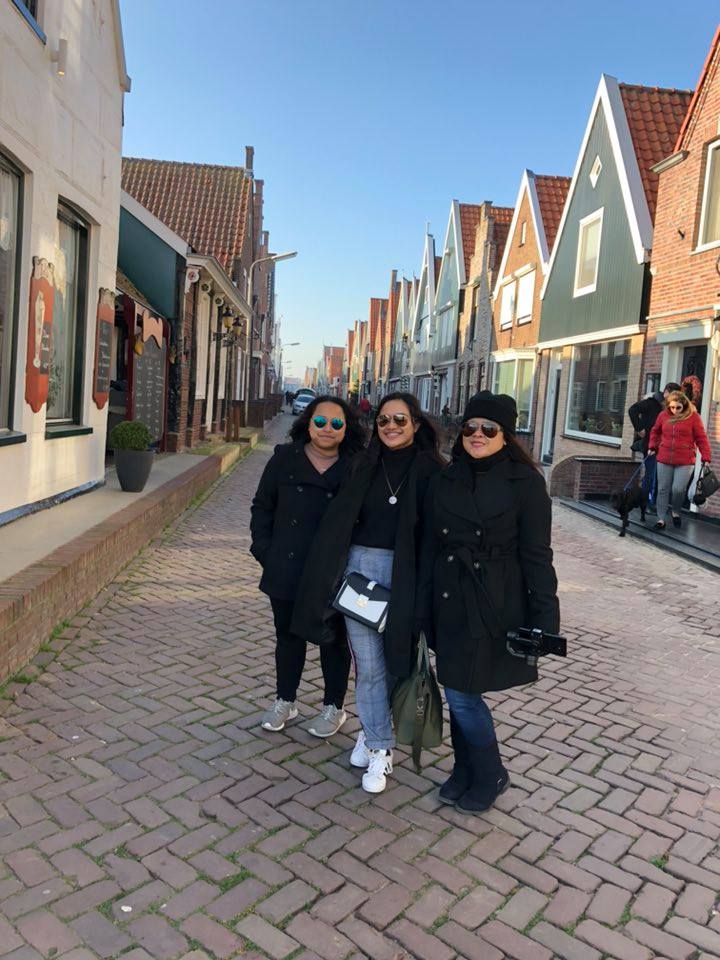
Let’s be honest. You’re going to have a pretty miserable time if you don’t pack smart. As a person living in a middle east country, I though that a hoodie would already make you warm. However, in Europe, a hoodie would feel like you’re wearing a simple t-shirt. Winter is a whole different ball game. Do yourself a favor and invest in some decent pieces before you travel. Trust me, it’s going to make your trip a whole lot more enjoyable because no one really has a good time with perpetually numb fingers and toes. Key items you really can’t go without are:
Warm, waterproof boots (ideally fur lined with a thick sole)
Beanie
Gloves
Thermal layers
Thick socks
Insulating jacket
2. You’ll always be warm and toasty indoors
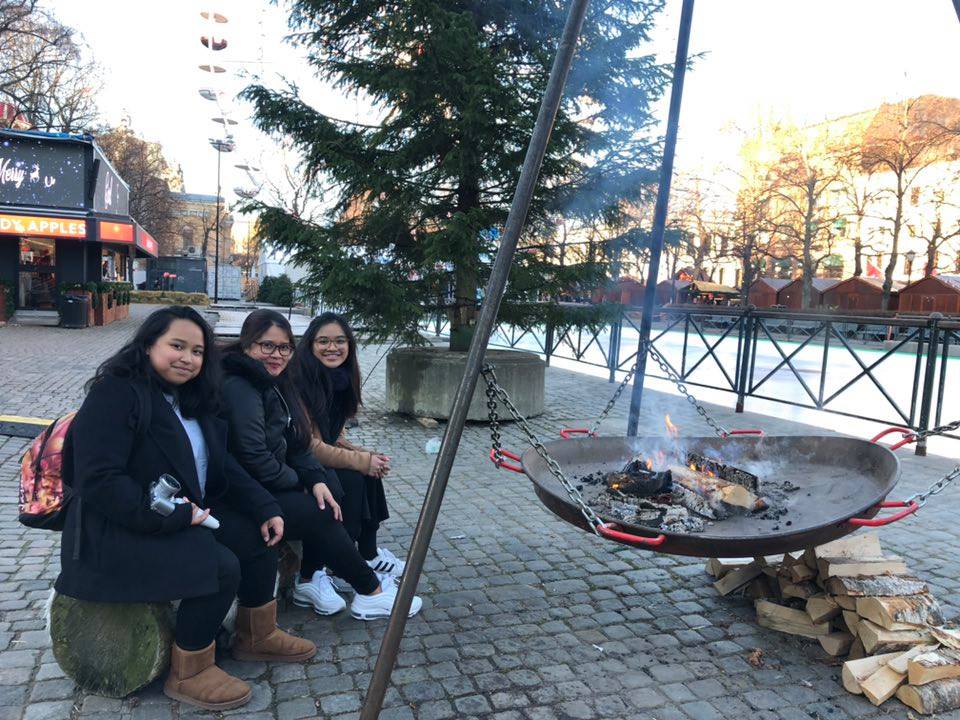
Don’t worry about feeling cold when you’re indoors. Insulation in Europe is seriously good and you’ll always be nice and toasty. Actually, as soon as you step inside, you’ll want to strip off all your layers because it’s so warm! For this reason, it’s best to wear layers that are easy to remove. It’s good to remember that buildings in Europe are built to withstand the cold. A lot of apartments and hotels have double windows and restaurants often have heavy curtains around the doors to protect diners from the cold draft that blows through when the door opens.
3. Danger is always on your side
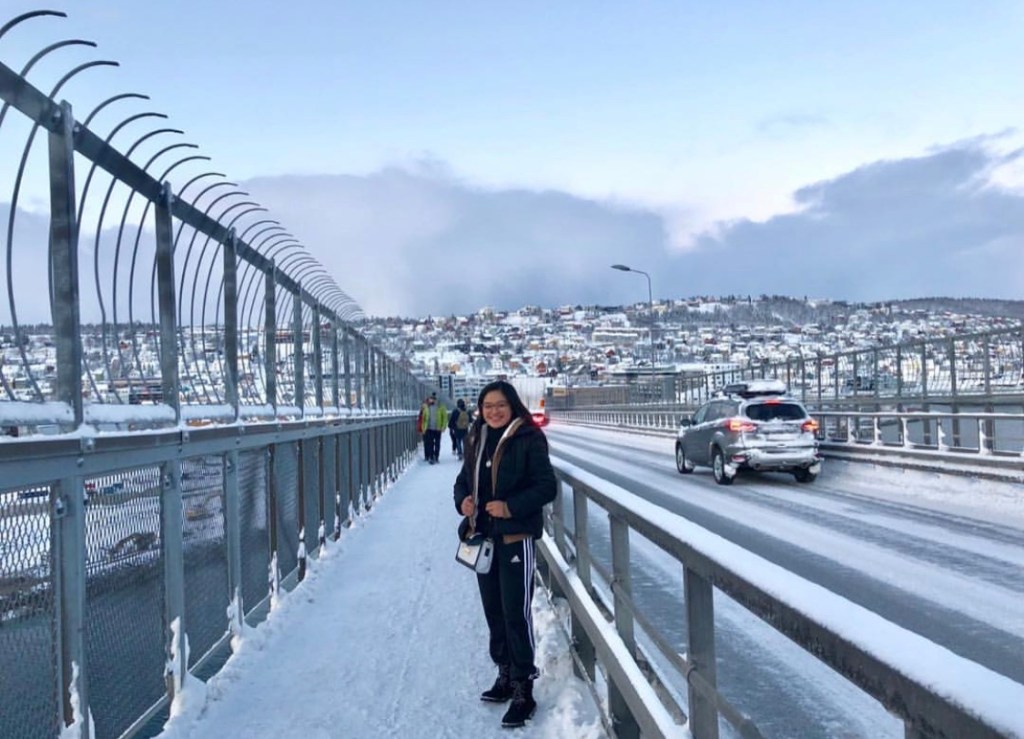
It’s really important to take care when walking on icy or snowy ground. It’s so easy to slip and injure yourself and it would be the worst thing in the world to have to cut your trip short. It can be really hard to tell whether the ground is icy, particularly in the morning, so tread carefully. Having boots with good grip will also help you stay sturdy.
4. Limit your luggage
Having as little luggage as possible is always a good idea as it makes things a lot easier when travelling. I’m definitely not a ‘carry-on only’ traveller – I always take a suitcase which I check into the aircraft’s luggage hold – but always limit myself to just one additional bag such as a handbag. Having one hand free makes it so much easier if I need to use an umbrella whilst out and about.
Limiting the amount of luggage you carry is also essential if you are travelling around Europe by train. Getting on and off trains – which usually only stop at the platform for a couple of minutes – is difficult enough with one suitcase.
Platforms can be covered in snow, too, so maneuvering multiple suitcases through snow can be a real test of nerves.
5. Minimise your time out in the elements
While exploring on foot might be your preferred way of seeing the city (it certainly is for me), it’s not the best idea to be out in the elements for 8 hours + each day in the winter. Your energy levels get sapped much quicker in extreme temperatures (this goes for summer too) and you generally enjoy yourself less. If you still want to get around by foot, take lots of little breaks and pop into cafés for a hot chocolate or tea every now and then to thaw out and give yourself a bit of a boost. A lot of cities in Europe also have great public transport networks, so make use of it to get around to avoid the chill.
6. Don’t forget to moisturize 😉
Cold = dryness = chapped everything! And I mean everything. Moisturizer is a must. I never go anywhere without this chapstick and a little mini tube of this moisturizer (it’s basic but I promise it hydrates amazingly for an affordable price).
7. Warm accessories will save your life
Assuming you’re an adventurous go-getter, you’ll be spending a lot of time outside.
Make sure that you’re well covered up during your outdoor jaunts by having a solid arsenal of warm, high-quality accessories.
Think warm hats, earmuffs, mittens, gloves and SOCKS. I’m all for a good bargain, but don’t cheap out on these or else you’ll be freezing!
8. Consider where in Europe you’ll be going
I know there’s a tendency to group Europe together as one entity, but the truth is (especially in winter), the weather conditions will vary a lot depending on what region you’re headed to.
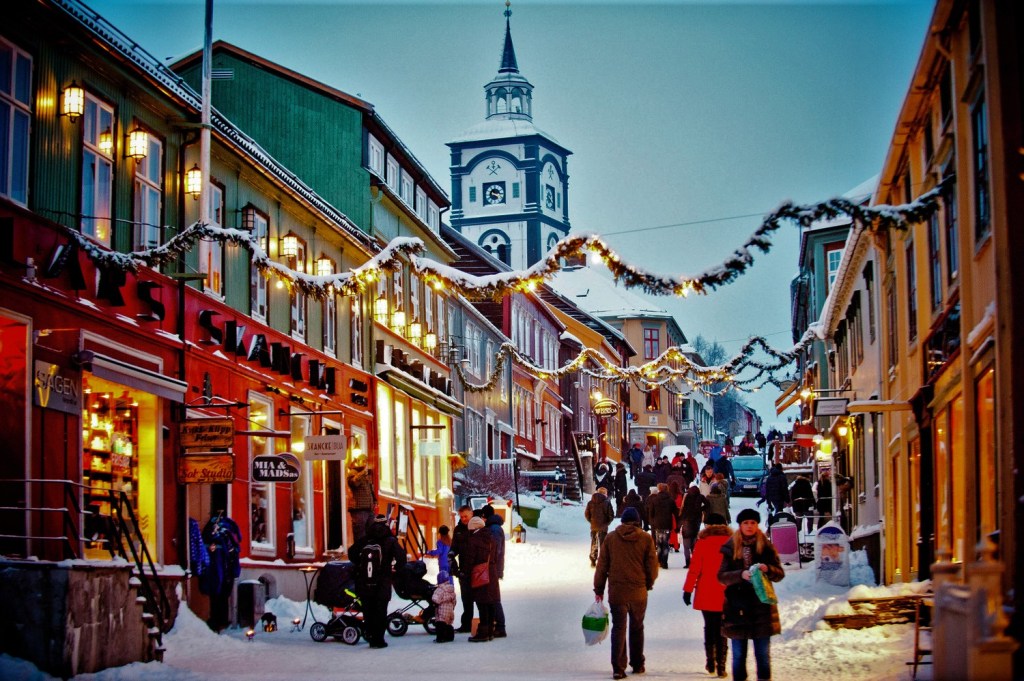
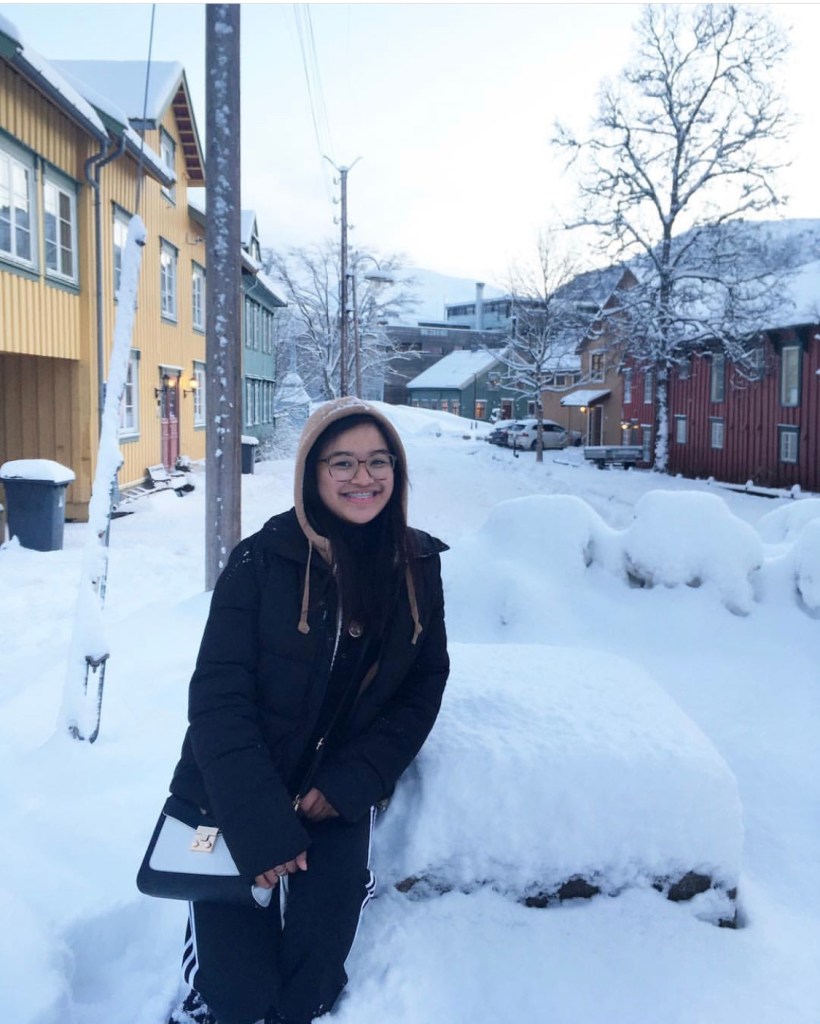
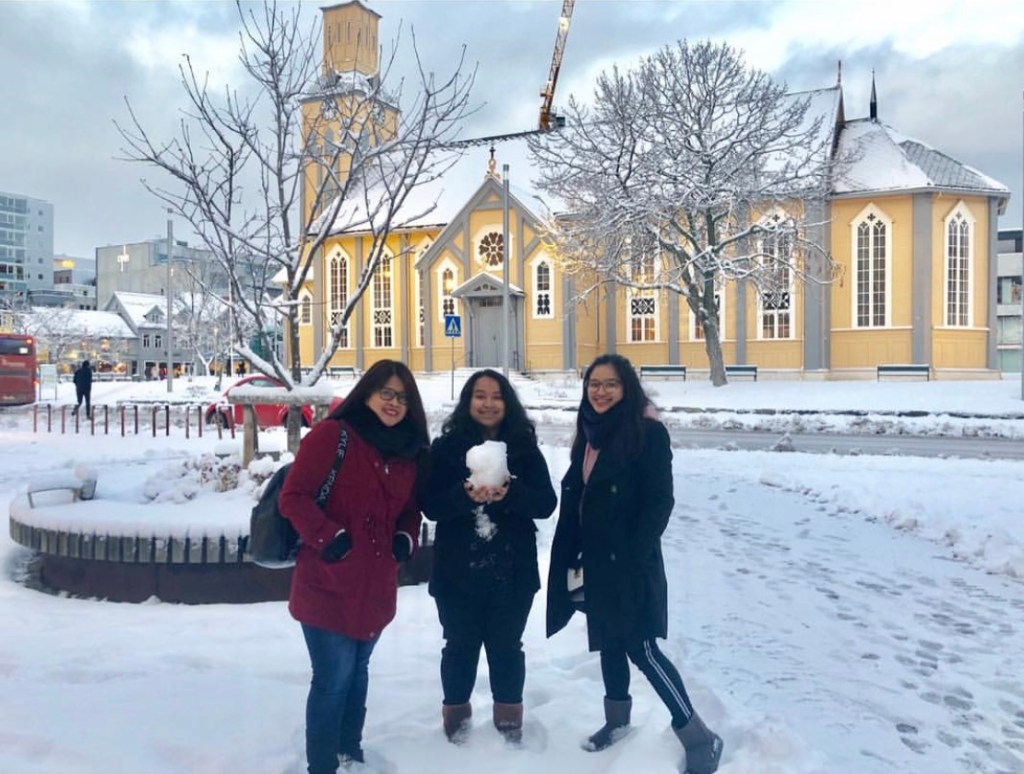
Obviously, you should expect a lot of snow and low temperatures in Northern Europe, whereas there are more tolerable temperatures/rain in Western, Central and Southern Europe.
9. Make the most of the smaller crowds
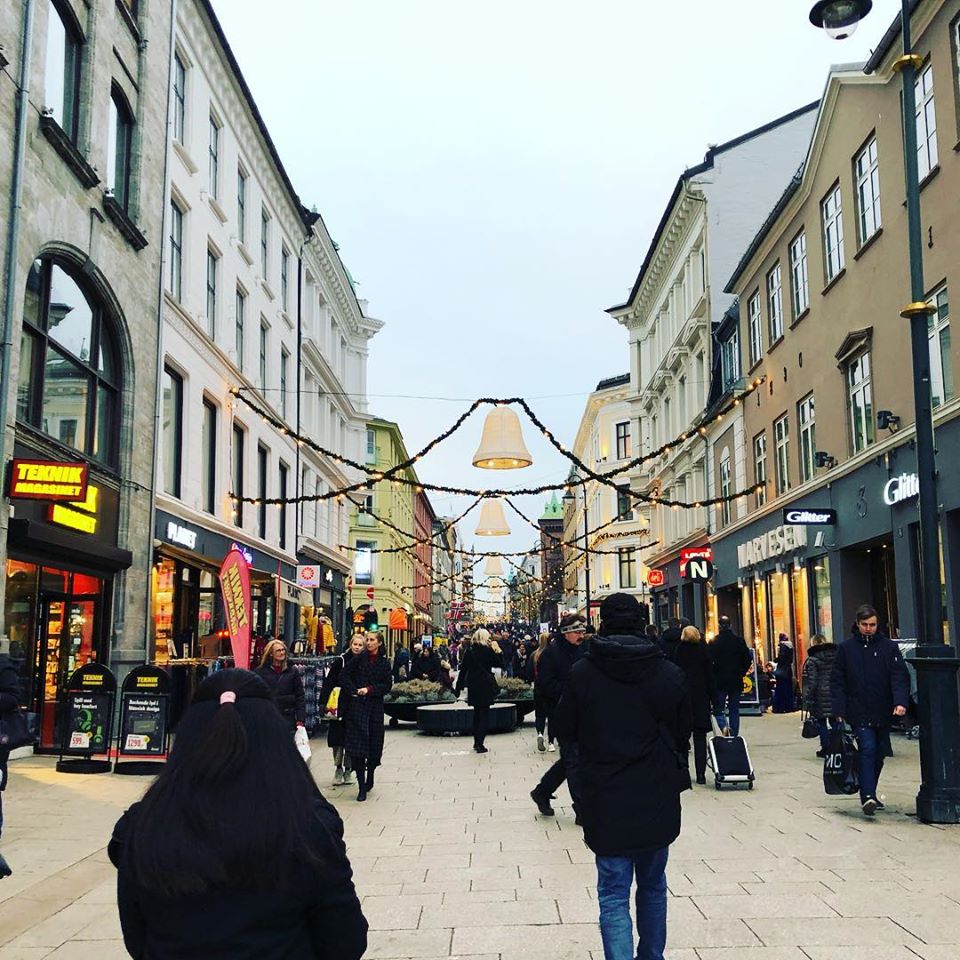
One of the best things about travelling to Europe in winter is the fewer crowds. Europe bursts at its seams in summer when a flood of tourists pour in to take advantage of high season. But as the warm sun fades away so do the crowds and travelling in the colder weather means that you can experience the delights of the continent in a far more relaxed way. In the cities, most attractions will still be open in the wintertime, just with shorter opening hours, so makes sure you check these before your visit. In summer, you’d find yourself waiting in line for hours on end to get into the major sites, so take advantage in the colder months when it’s a lot quieter.
10. Remember, the days are shorter
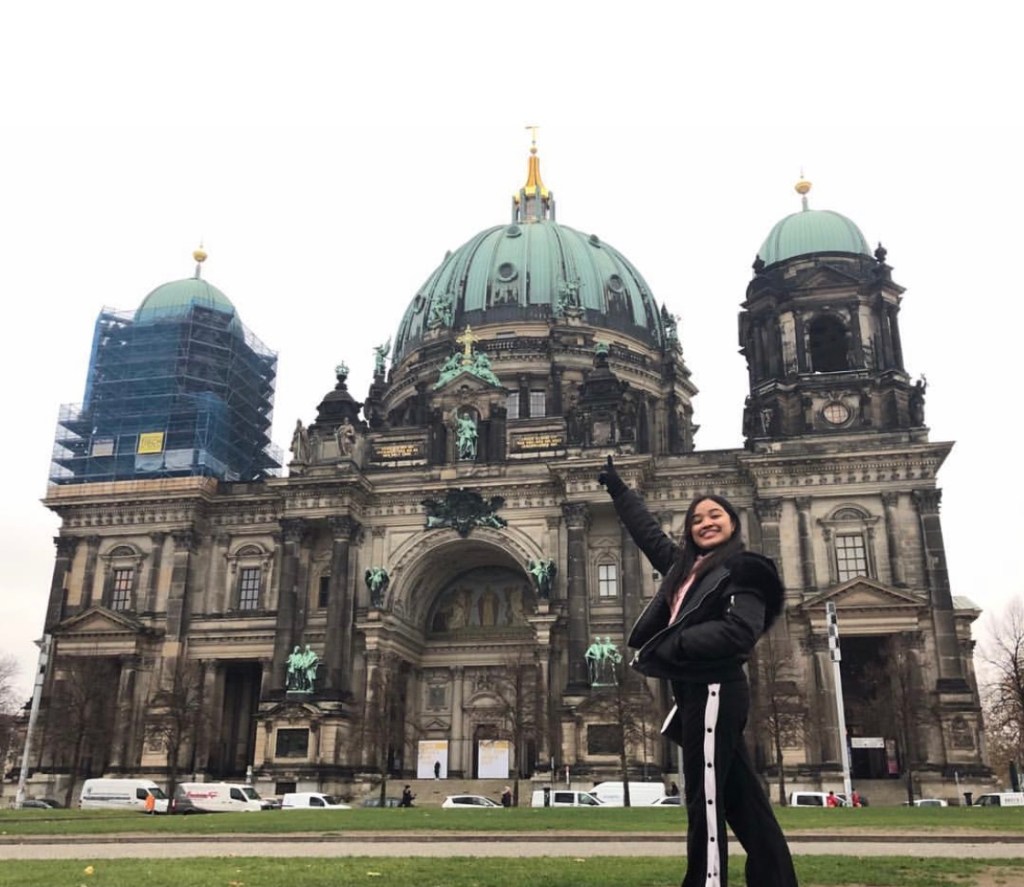
Another thing to take into consideration when planning your winter European trip is the short days. In the middle of winter, the sun rises late and sets early so you can’t quite cram as much into your day as you’d be able to in summer. Of course, the further north you go, the shorter the days are. In Berlin for example, the sun can rise as late as 8:17 am and set as early as 3:52 pm in December. You’ve really got to make the most of every hour of the day!






















 Gone Travel